This page provides the latest updates on labor market trends in Hiroshima that are useful for foreign residents. Click a title to view the full article.
Hiroshima Prefecture Records the Highest Net Population Outflow in Japan(7 Jan,2026)
Foreign Workers Moving from Rural Areas to the Tokyo Metropolitan Area(13 Dec,2025)
Impact of the Historic Oyster Shortage in Hiroshima on Foreign Workers(20 Nov,2025)
Growing Demand for Foreign Workers in Hiroshima: Data and Insights ( 9 Oct , 2025)
Trends of Foreign Residents in Hiroshima Prefecture: A Statistical Perspective (11 Sep, 2025)
Characteristics of Hiroshima’s Labor Market and Popular Jobs for Foreigners (25 Aug, 2025)
Hiroshima Prefecture Records the Highest Net Population Outflow in Japan
Population outflow from Hiroshima Prefecture continues unabated. According to the Ministry of Internal Affairs and Communications’ Annual Report on Internal Migration, the net population change in Hiroshima Prefecture last year—calculated by subtracting the number of people moving out from those moving in—was a decrease of 9,493 people. This marks the fifth consecutive year that Hiroshima Prefecture has recorded the largest net population outflow in Japan. More than 80% of those leaving are people in their 30s or younger.
Background Factors
The outflow of young people is not limited to Hiroshima Prefecture as a whole; the same trend can be seen in Hiroshima City, a designated major city. Many young people leave the prefecture to attend universities outside Hiroshima, and others move to the Tokyo metropolitan area or the Kansai region after graduating from local universities in order to find employment.
Behind this trend is the limited number of attractive private universities and the lack of local opportunities where young people can fully utilize the skills and knowledge they have acquired. In particular, Hiroshima Prefecture has a high concentration of manufacturing industries, and compared to the Tokyo and Kansai regions, employment options for young professionals tend to be more limited due to structural factors.
The Number of Foreign Workers Under 30 Is Close to the National Average
On the other hand, the inflow of young foreign workers has remained relatively stable. According to the Basic Resident Register as of January 2025, the number of foreign residents in Hiroshima Prefecture has doubled over the past decade. Foreign nationals in their 20s account for 9.3% of the population, a figure close to the national average of 9.5%.
Against the backdrop of Japan’s declining birthrate, aging population, and the outflow of young Japanese workers, Hiroshima Prefecture has actively accepted technical intern trainees, particularly in the manufacturing sector. In fact, the number of supervising organizations in Hiroshima Prefecture that accept and manage technical intern trainees is approximately twice the national average.
Future Challenges
However, under the new Developmental Employment Program scheduled to begin in April 2027, workers will be allowed to change employers if certain conditions are met. As a result, even if companies in Hiroshima invest in training foreign workers, there is a growing risk that those workers may transfer to companies in other regions after one year.
Much like professional baseball, Hiroshima is often described as being good at developing talent, but less successful at retaining it after development. Going forward, it will be essential to create policies and work environments that allow young people—both Japanese and foreign nationals—to remain and build long-term careers in the region.
Hiroshima Prefecture is expected to continue accepting foreign workers in the years ahead. At the same time, changes in immigration systems and differences in regional employment conditions mean that decisions about where to work and under which status of residence are becoming increasingly important. When considering whether to continue working in Hiroshima or move to another region, it is essential to look beyond job conditions alone and carefully consider visa requirements and future renewals or changes of status.
If you have any concerns, it is strongly recommended that you consult a certified Administrative Scrivener specializing in international services before changing jobs or responding to changes in immigration policy.
Morita Immigration Legal Services accepts consultations from foreign nationals.
The first consultation is free—please feel free to contact us.
(posted 7 Jan, 2026)
Foreign Workers Moving from Rural Areas to the Tokyo Metropolitan Area
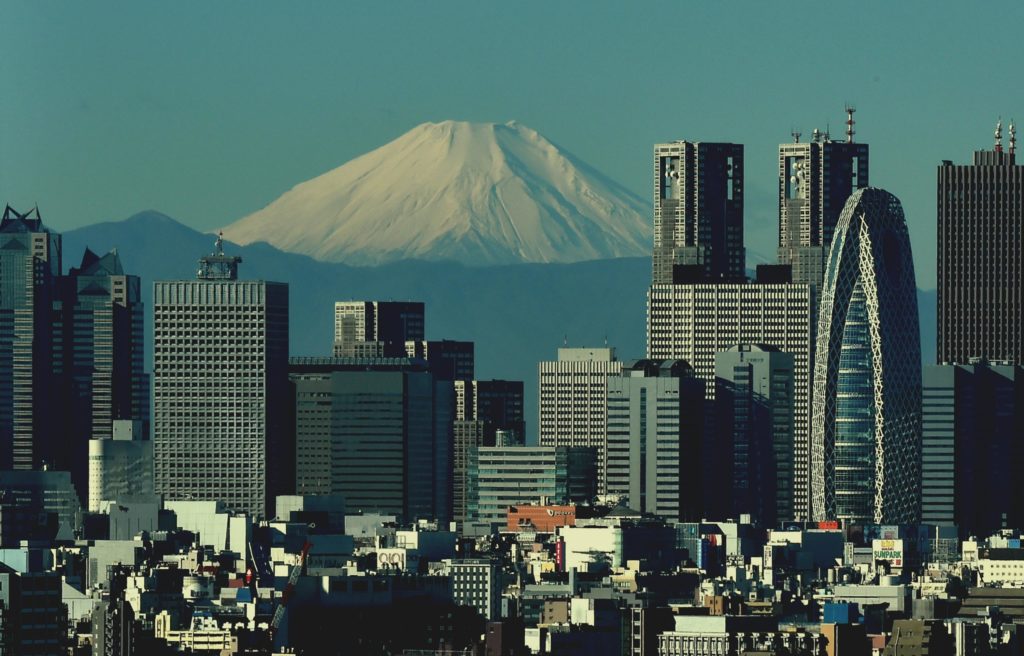
In 2024, the number of foreign nationals who moved from rural areas to the Tokyo metropolitan area reached a record high, according to an article published in The Chugoku Shimbun (Hiroshima edition) on November 30.
From the perspective of a certified administrative scrivener engaged in supporting foreign residents, this article examines why migration to the Tokyo area is increasing, how the new Training and Employment System (育成就労)scheduled to start in April 2027 may affect this trend, and what is needed to encourage foreign workers to settle in regional areas such as Hiroshima.
Why Foreign Workers Are Concentrating in the Tokyo Area
There are several factors behind the growing movement of foreign workers to the Tokyo metropolitan area.
First, young workers are seeking higher wages.
Although living costs are higher in Tokyo, the wage gap between urban and rural areas remains significant. Younger foreign workers, in particular, tend to prioritize higher income and short-term financial gains, making urban areas more attractive.
Second, the presence of ethnic and national communities plays an important role.
Areas with established foreign communities offer access to information, daily-life support, and consultation in one’s native language. This sense of security strongly influences decisions about relocation and job changes.
Third, there are more jobs that require higher-level skills.
Urban areas offer a greater concentration of jobs in IT, professional services, and positions that utilize language skills, all of which are appealing to foreign workers seeking career advancement.
The Potential Impact of the Training and Employment System
In April 2027, Japan’s current Technical Intern Training Program will be abolished and replaced by the new Training and Employment System(育成就労). One of the most significant features of this new system is the principle of freer job transfers (changes of employer).
While detailed requirements will be determined by industry in the coming years, job transfers are generally expected to be permitted if the following conditions are met:
- The job at the new employer falls within the same occupational category
- The worker has been employed by the original employer for between one and two years
- The worker meets certain standards of skills and Japanese-language proficiency
- The receiving employer is deemed appropriate
A major concern is that high-performing foreign workers trained by local companies at considerable cost may transfer to higher-paying jobs in the Tokyo area after just one year, accelerating the outflow from rural regions.
The cost of accepting one foreign worker—including travel expenses and administrative fees—is estimated at between 500,000 and 1,000,000 yen over three years.
Although discussions are underway regarding compensation of initial costs from the new employer to the original employer, industry-led anti-poaching measures, and restrictions on transfers from rural areas to major metropolitan regions, the effectiveness of these measures remains uncertain.
How Local Regions Can Encourage Foreign Workers to Stay
That said, not all rural areas are experiencing a steady outflow of foreign workers.
For example, Yamanashi Prefecture has successfully increased foreign in-migration by introducing a subsidy program that helps cover insurance premiums paid by the families of Vietnamese workers in their home country.
At the company level, the following initiatives have proven effective:
- Enhanced qualification and skill allowances
- Creating a workplace where taking paid leave is encouraged
- Promoting understanding of cultural and religious differences
- Preventing mismatches before hiring by clearly explaining job duties
Notably, “mismatch with the workplace” consistently ranks among the top reasons for job transfers.
Beyond wages, insufficient cultural understanding, unclear expectations, and a lack of psychological safety often push foreign workers to seek employment elsewhere. Creating an inclusive work environment where employees feel secure and supported is therefore key to preventing out-migration.
The Role of Government and Professionals
Migration to the Tokyo metropolitan area is driven by a combination of wage disparities, community networks, and career aspirations, and this trend is likely to continue. The introduction of the Training and Employment System may further accelerate this movement.
For this reason, local regions must focus on creating environments where foreign residents feel that they want to live and work long-term.
This requires government-led initiatives such as expanded subsidies for companies hiring foreign workers, multilingual dissemination of local information, and stronger support and consultation systems.
In addition, companies employing foreign workers should build trusted relationships with qualified professionals—such as certified administrative scriveners(行政書士)—who are well-versed in immigration and labor laws and can be consulted promptly when issues arise.
The Training and Employment System will begin in April 2027.
As a certified administrative scrivener, I intend to continue contributing to the creation of a society in which foreign residents can live with peace of mind and thrive as valued members of local communities.
(posted 13 Dec, 2025)
Impact of the Historic Oyster Shortage in Hiroshima on Foreign Workers
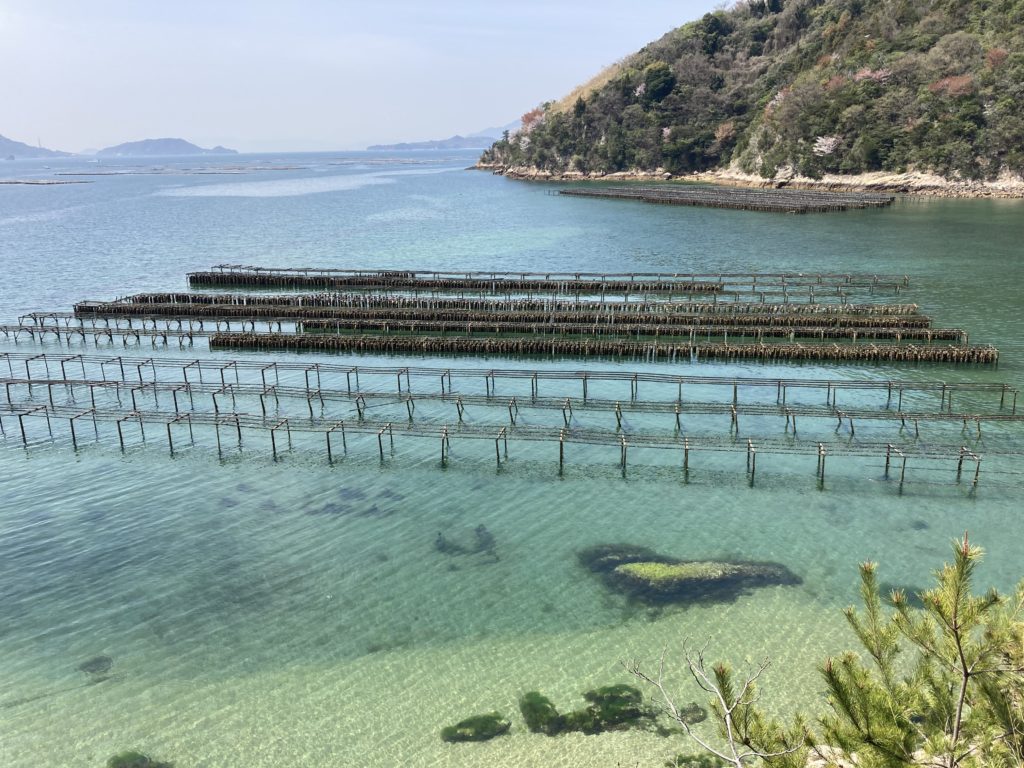
Hiroshima is one of Japan’s leading oyster-producing regions, accounting for roughly 60% of the nation’s total shipments. However, this year Hiroshima’s oyster production has collapsed to historically low levels. A severe and unprecedented shortage has now become clear.
Reasons Behind the Collapse in Oyster Production
While investigations are still ongoing, experts believe the primary cause is the rapid fluctuation of plankton levels—an essential food source for oysters—triggered by rising sea temperatures. This year’s extreme heat, combined with the absence of typhoons, prevented seawater temperatures from cooling down, creating an unfavorable environment for oyster growth.
Foreign Workers in Hiroshima’s Oyster Farming and Processing Industry
The impact of climate change extends beyond the damage to oyster production itself. Hiroshima’s aquaculture and processing industries employ a large number of foreign workers under the Technical Intern Training Program and the Specified Skilled Worker visa. In fact, the local fisheries sector is highly dependent on foreign labor.
Therefore, the current oyster shortage is not only an economic issue for Japan but a direct threat to the employment and livelihoods of these workers.
Labor Laws Apply Equally to Foreign Workers
It is important to emphasize that Japanese labor laws fully apply to foreign workers. Unjust dismissal or failure to pay wages during business suspension is illegal. Employers who violate labor regulations may face penalties, public disclosure of their company name, and a five-year ban on accepting new foreign workers.
Article 26 of the Labor Standards Act
Article 26 of Japan’s Labor Standards Act states:
“In the event of a business suspension for reasons attributable to the employer, the employer must pay the worker an allowance of at least 60% of the worker’s average wage during the period of suspension.”
This protection applies to foreign workers without exception.
Moreover, “reasons attributable to the employer” can include situations involving force majeure such as natural disasters. Therefore, if workers are forced into temporary suspension due to the oyster shortage, this provision is still considered to apply.
Employment Adjustment Subsidy
Japan also provides an Employment Adjustment Subsidy (雇用調整助成金) to support employers who must scale down business operations for economic reasons but wish to maintain employment instead of resorting to layoffs.
Hiroshima Prefecture and the national government are expected to implement support measures soon, and this subsidy will undoubtedly play a central role in helping employers retain foreign workers.
Conclusion
Technical intern trainees receive some instruction on Japanese labor laws during their pre-entry training. However, it is questionable how much of it is fully understood in practice.
If a foreign worker faces unjust dismissal, unpaid wages, or forced suspension without proper allowances, they should not simply endure the situation. Instead, they are encouraged to consult the Labor Standards Inspection Office or a qualified professional.
(posted 20 Nov,2025)
Growing Demand for Foreign Workers in Hiroshima: Data and Insights
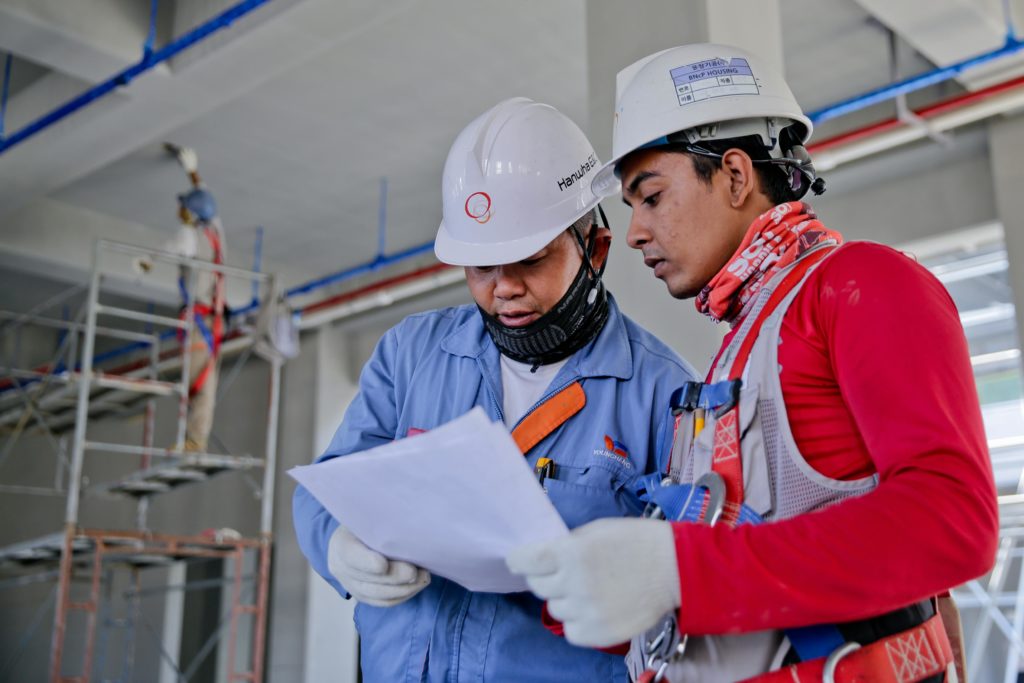
According to a Nikkei article published on October 3, 2025, about 50% of companies in Hiroshima Prefecture are currently hiring or considering hiring foreign workers.This shows that employing foreign talent is no longer limited to a few industries—it has become a key part of the local economy.
Why Hiroshima Needs More Foreign Workers
Hiroshima, like many other regions in Japan, faces serious population decline and aging, along with the outflow of young people to other prefectures.
As a result, the working-age population continues to shrink, while many manufacturing companies are suffering from chronic labor shortages.
Currently, foreign workers are most commonly employed in shipbuilding and automobile-related industries, which together account for more than 80% of companies employing foreigners.
- Companies currently employing foreign workers: 32.1%
- Companies considering hiring in the future: 14.4%
Why Companies Hire Foreign Workers
The data shows that companies are hiring foreign workers not only to fill labor shortages but also because they value their motivation and youth.
| Reason for hiring | Percentage |
|---|---|
| To make up for the shortage of Japanese workers | 87.3% |
| To secure a younger workforce | 54.6% |
| To hire motivated and eager workers | 39.5% |
Challenges Companies Are Facing
While many companies benefit from hiring foreigners, some challenges have also become clear.
| Challenge | Percentage |
|---|---|
| Communication difficulties | 44.4% |
| Limited employment period | 40.3% |
| Higher costs than expected | 34.7% |
The biggest issue is often the language barrier, which can make communication difficult and sometimes lead to early resignations.
In addition, many foreign workers in manufacturing hold the Specified Skilled Worker (Type 1) visa, which has a maximum stay of five years.
If they cannot upgrade to Specified Skilled Worker (Type 2), companies may lose valuable employees they have trained, even after those workers have adapted well to the workplace.
Understanding the Cost and Legal Requirements
About one-third of companies answered that employing foreigners costs more than they expected.
However, Japan’s Labor Standards Act and minimum wage rules apply equally to all workers, regardless of nationality.
Employers who fail to comply with labor laws—such as unpaid overtime or below-minimum wages—can face penalties and may even be prohibited from hiring foreigners in the future.
Please note that Hiroshima’s minimum hourly wage will rise to ¥1,085 starting November 1, 2025.
It is essential for companies to follow labor laws and create a workplace where foreign employees can feel included and supported.
Advice from an Immigration Lawyer (Gyoseishoshi)
Hiring foreign workers in Japan requires not only an employment contract but also the correct visa status.
Using the wrong status, such as “Specified Skilled Worker,” “Engineer/Specialist in Humanities/International Services,” or “Technical Intern Training,” may result in visa denial or even an immigration inspection.
At Morita Immigration Legal Services, I provide free initial consultations not only for companies considering hiring foreign workers, but also for individuals who wish to work in Hiroshima.
I help you choose the most appropriate visa type for your situation and ensure full compliance with Japanese immigration laws.
For an overview of our visa and naturalization support services in Hiroshima, please visit our English homepage. For more information about work visas, please refer to this page.
(posted Oct 9,2025)
Trends of Foreign Residents in Hiroshima Prefecture: A Statistical Perspective

Hiroshima Prefecture is one of the regions in Japan where the presence of foreign workers is particularly notable. This article analyzes the latest statistics to highlight current trends and future challenges.
Growing Number of Foreign Residents in Japan
According to the Immigration Services Agency of Japan, as of the end of June 2025, the number of foreign residents staying in Japan for more than three months reached 3,588,956, a record high with a year-on-year increase of about 5%.
By nationality, the largest groups are Chinese, Vietnamese, and Koreans. In recent years, however, the Vietnamese community has shown the most rapid growth.
Nationalities and Visa Statuses in Hiroshima Prefecture
The number of mid- to long-term foreign residents in Hiroshima Prefecture is 64,419. By nationality, the largest groups are:
- Vietnamese: 15,308
- Chinese: 12,141
- Filipinos: 10,194
Compared with the national average, Hiroshima has a relatively larger proportion of Vietnamese and Filipino residents. This is partly because the prefecture has a strong manufacturing base, which creates demand for foreign workers under the Specified Skilled Worker and Technical Intern Training programs.
Looking specifically at employment-related visa statuses in Hiroshima:
- Technical Intern Training: 15,480 (approx. 23%)
- Specified Skilled Worker: 8,691 (approx. 14%)
- Engineer/Specialist in Humanities/International Services: 3,394 (approx. 5.3%)
At the national level, the most common visa type is also Technical Intern Training (425,714 or about 11.8%), followed by Engineer/Specialist in Humanities/International Services (394,295 or 11%), and Specified Skilled Worker (251,747 or 7%).
For comparison, in Tokyo:
- Engineer/Specialist in Humanities/International Services: 113,928 (about 16%)
- Technical Intern Training: 15,832 (2.3%)
- Specified Skilled Worker: 14,933 (2.1%)
This shows that in service-industry hubs like Tokyo, white-collar visa holders are predominant.
【Comparison of Visa Statuses: Hiroshima vs National vs Tokyo】
| Visa Status | Hiroshima | National | Tokyo |
|---|---|---|---|
| Technical Intern Training | 15,480 (23%) | 425,714 (11.8%) | 15,832 (2.3%) |
| Specified Skilled Worker | 8,691 (14%) | 251,747 (7%) | 14,933 (2.1%) |
| Engineer / Specialist in Humanities / International Services | 3,394 (5.3%) | 394,295 (11%) | 113,928 (16%) |
Why Higashihiroshima Has So Many Foreign Residents
Hiroshima City, the prefectural capital, has a population of about 1.19 million, with around 20,000 foreign residents (approx. 1.7%). The second-largest city, Fukuyama, has about 460,000 residents and 9,100 foreign residents (approx. 2%).
A striking case is Higashihiroshima City, which has a population of 200,000 but 9,500 foreign residents—about 5%. This proportion is much higher than in Hiroshima City or Fukuyama.
The reasons include:
- The presence of Hiroshima University and JICA research facilities, attracting international students and foreign faculty.
- The existence of large industrial parks, which employ many technical interns.
Challenges and Future Outlook for Hiroshima Prefecture
As we have seen, Hiroshima Prefecture has a higher proportion of blue-collar foreign residents under Technical Intern Training and Specified Skilled Worker programs, while the number of white-collar visa holders such as Engineer/Specialist in Humanities/International Services is below the national average.
Another challenge is that just like young Japanese workers, many foreign students leave Hiroshima for Tokyo, Osaka, or Fukuoka after graduation, where more white-collar job opportunities are available.
To address this, Hiroshima needs to:
- Develop IT and service-oriented industries to retain young talent
- Strengthen employment support for international students
- Create industries and opportunities that can attract highly skilled professionals, who are currently concentrated in the Tokyo metropolitan area
Perspective as an Immigration Lawyer (Gyoseishoshi)
From the standpoint of an immigration lawyer working in the field, it is important not only to accept foreign workers but also to provide comprehensive support in daily life, employment, and legal matters. Such support systems can greatly contribute to a sense of security for both foreign residents and local companies.
For an overview of our visa and naturalization support services in Hiroshima, please visit our English homepage.
(Posted 11/Sep/2025)
Characteristics of Hiroshima’s Labor Market and Popular Jobs for Foreigners
A Hub City in the Chugoku and Shikoku Regions
Hiroshima is located in western Japan, about one hour by plane or four hours by Shinkansen from Tokyo. It is the largest city in the Chugoku and Shikoku regions. Although it was devastated by a single atomic bomb 80 years ago, the city has since achieved remarkable reconstruction and today has grown into a major city with a population of about 1.2 million. Hiroshima’s city center is home to many government branch offices as well as branch offices of major companies headquartered in Tokyo and Osaka. The city also attracts many international tourists, making it a lively and vibrant place.
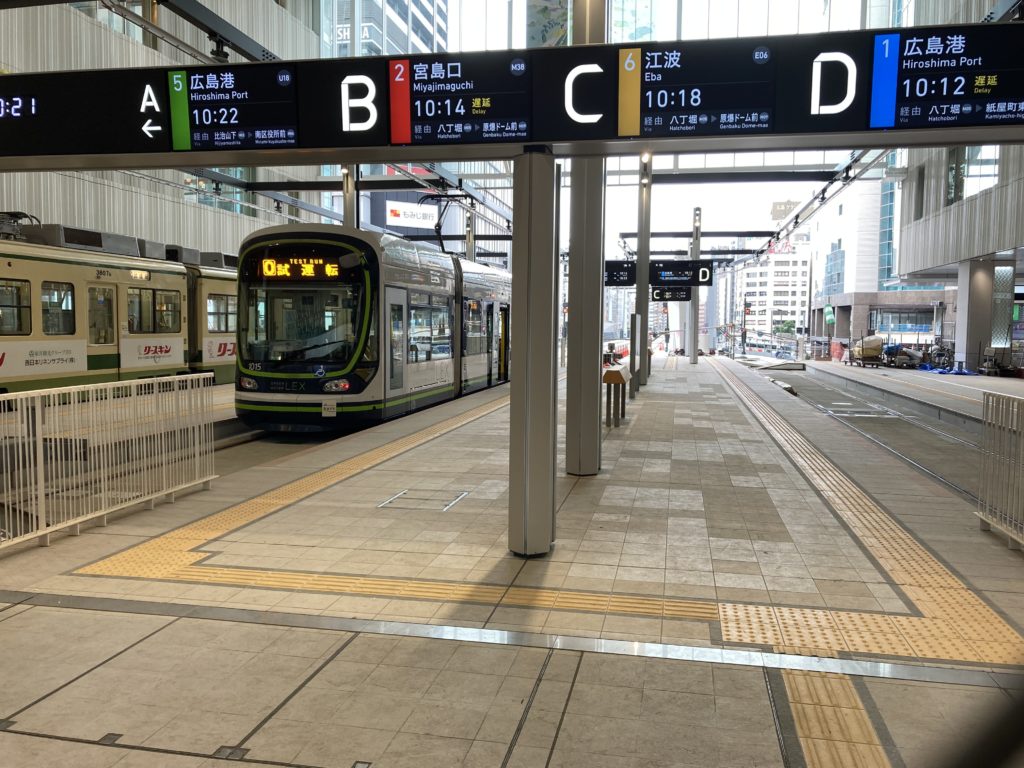
The city is known for its extensive streetcar network, which makes it easy to get around even without a car. Hiroshima is a compact city where a bicycle is often enough for daily life. The central areas, such as Kamiya-cho and Hatchobori, are bustling with department stores and electronics retailers. In recent years, redevelopment around Hiroshima Station has drawn a lot of attention.
While Hiroshima is urban, it also offers abundant nature, with seven rivers running through the city. Facing the Seto Inland Sea, it enjoys a mild climate and convenient access to nearby islands via Hiroshima Port.
Industrial Characteristics of Hiroshima
Hiroshima is home to major manufacturers such as Mazda and Mitsubishi Heavy Industries, and many related companies are clustered in the area. Local industries are more prominent here than in many other Japanese cities. Well-known companies such as the 100-yen shop chain DAISO and the Otafuku brand of okonomiyaki sauce also originated in Hiroshima.
Just 30 minutes by train from Hiroshima City is Higashihiroshima, home to Hiroshima University. The city also has several private universities, hosting many international students. However, many Japanese graduates tend to move on to larger cities such as Tokyo, Osaka, or Fukuoka, leaving local manufacturing industries in Hiroshima facing chronic labor shortages.
Since hosting the 2023 G7 Hiroshima Summit, the city has seen a significant increase in foreign visitors. As a result, more foreigners are working or starting businesses in tourism-related industries such as travel, hospitality, and dining.
In the surrounding rural and island areas, agriculture, forestry, and oyster farming are key industries. Many of these sectors employ foreign workers on Technical Intern Training or Specified Skilled Worker visas.
Comparison with Other Regional Hubs (Sapporo, Sendai, Fukuoka)
Hiroshima is often compared with other regional hub cities such as Sapporo, Sendai, and Fukuoka. Fukuoka, with its concentration of IT companies and startups, tends to be especially attractive to young people. Hiroshima, on the other hand, has a relatively high proportion of manufacturing industries and fewer job opportunities that appeal to younger generations.
However, when comparing minimum hourly wages, Hiroshima actually ranks the highest among the four cities:
| Minimum wage per hour | |
| Hiroshima | ¥ |
| Sapporo | ¥ |
| Sendai | ¥ |
| Fukuoka | ¥ |
For reference, Tokyo’s minimum wage is ¥1,163 →1,226 and Osaka’s is ¥1,114→1,177.
Conclusion
Hiroshima is a well-balanced city—not overwhelmingly large, but with plenty of job opportunities. Rent and living costs are lower than in Tokyo or Osaka, making it an appealing choice for foreigners who want to work hard and save money.
To work in Hiroshima, you will need the appropriate visa for your employment. If you wish to build a stable life and career in Hiroshima, feel free to contact Morita Immigration Legal Services. I am committed to supporting you every step of the way in obtaining your visa.
For an overview of our visa and naturalization support services in Hiroshima, please visit our English homepage.
(posted 25/Aug/2025)
Visa and Naturalization Inquiries
For inquiries about visas, naturalization, and life of Hiroshima ,Japan, please contact me here.
For feedback or media inquiries about my site, please contact me here.
A licensed administrative scrivener will review your message and respond by email.